

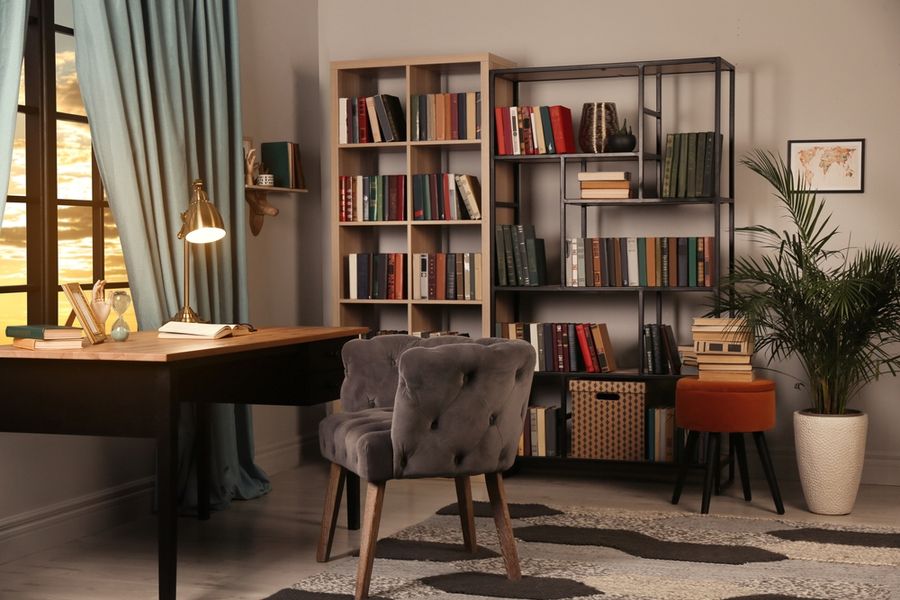
Creating a dedicated study room at home doesn’t have to be expensive. With a few smart choices, families can turn almost any space into an inspiring place for learning, reading, and creative projects. A well-designed study room encourages focus and sparks imagination, but it doesn’t require brand-new furniture or costly décor. By combining practical solutions with budget-friendly accessories, you can build a space that feels inviting, organized, and comfortable for students of any age.
Start With a Simple Desk Setup That Fits the Space
A functional study room begins with a proper workstation, but that doesn’t mean you need a full-size office desk. Many homes already have pieces that can be repurposed. A small dining table, an old writing desk, or even a sturdy console table can work well as a study surface. The key is choosing something wide enough to hold a laptop, notebooks, and a few supplies without feeling crowded.
If the room is small, consider placing the desk against a wall to reduce distractions. For children who prefer flexibility, a portable lap desk can add variety by allowing them to work in different parts of the room while still keeping the study area as the main hub for organization.
Lighting also plays a major role in productivity. Instead of investing in expensive overhead fixtures, a basic LED desk lamp with adjustable brightness can make the space feel focused and cozy without straining the eyes. Good lighting helps students stay alert during reading and writing tasks, especially in the early morning or evening.
Use Affordable Storage Solutions to Stay Organized
An organized study room reduces stress and makes it easier to start working right away. Fortunately, storage doesn’t have to be costly. Items like stackable bins, hanging wall pockets, rolling carts, and cube organizers offer flexible and budget-friendly ways to keep supplies neat.
A rolling cart—often used in craft rooms—can double as a portable study station. Kids can load it with pencils, notebooks, art supplies, and books, then roll it out of the way when the space is needed for something else. Wall-mounted pegboards also work well for displaying tools, headphones, or small containers, all while saving floor space.
For families sharing a study area, color-coding storage by child or subject helps keep everything easy to find. Even simple labels can make a big difference. The goal is to create a system that encourages independence and reduces clutter so students can focus more on their work.
Add Creative Touches That Spark Inspiration
A study room shouldn’t feel boring or stiff. Adding creative, low-cost décor helps the space feel welcoming and personal. Chalkboards, cork boards, and whiteboards give kids a place to brainstorm ideas, practice math problems, or post weekly goals. These tools also help track homework or display artwork without covering the walls with tape.
A small rug or a bright pillow can bring warmth to the room and help define the study zone, especially in shared spaces like living rooms or bedrooms. Kids also enjoy having a “reading corner” with a bean bag or soft cushion where they can relax with books.
Plants—real or artificial—are another simple way to make the room feel lively. They add color and help soften the atmosphere without taking up much space. Posters, framed quotes, or student artwork can also personalize the room in a meaningful way.
A Window-Seat Reading Nook Goes A Long Way
A window-seat reading nook adds a vital sense of calm and spatial balance to a creative study room. Natural light floods the area throughout the day, making it an inviting spot to pause, reset, and absorb ideas without the harshness of artificial lighting.
The slight separation from the main work zone also provides a mental boundary—allowing the mind to shift into a more reflective mode that supports creativity, problem-solving, and deeper reading. Combined with soft cushions, built-in shelving, or a view of nature or the cityscape, the window seat becomes a restorative micro-environment that encourages both focus and imaginative thinking.
Repurpose What You Already Have to Save Money
Some of the best study room elements may already be in your home. Bookshelves can be rearranged to store school materials, baskets can hold art supplies, and extra dining chairs can be turned into study seating. Even leftover paint from past projects can be used to create an accent wall that refreshes the room.
Repurposing items allows families to experiment with layout and style without buying everything new. It also encourages creativity as kids help customize the room with objects that feel familiar and comfortable. A combination of old and new pieces often produces a study space full of personality.
A Learning Space That Supports Creativity and Comfort
Building a creative home study room doesn’t require a large budget—just thoughtful choices and a bit of imagination. By using simple furniture, affordable storage, personalized décor, and a few helpful tech accessories, families can create a space that encourages focus and supports daily learning. When students feel comfortable and inspired in their study environment, they are more likely to enjoy their work and stay motivated throughout the school year.