

Poor posture is a common issue for many people, especially those who spend long hours sitting, working on computers, or using mobile devices. While professional treatments can help, small and affordable tools can also make a meaningful difference in daily posture habits. By supporting proper alignment, reducing strain, and encouraging movement, innovative tools help you feel more comfortable throughout the day. With a few budget-friendly additions, improving your posture at home becomes much easier and far more manageable.
1. Lumbar Cushions That Support Natural Spine Alignment
Lumbar cushions are one of the simplest and most effective tools for improving posture at home. These cushions support the natural curve of your lower back, helping you sit upright without feeling tense. Many people experience slouching because chairs don’t provide enough lower-back support, especially when working for long periods.
A well-designed lumbar cushion—such as the LoveHome Lumbar Support Pillow or similar models—helps your spine stay in a healthier position. It reduces pressure on the lower back and encourages consistent alignment. These cushions can be used on office chairs, dining chairs, or even in cars, making them a versatile option for anyone who wants better posture throughout the day.
Using a lumbar cushion also helps remind you to stay mindful of your posture. As your back adjusts to better support, you naturally become more aware of how you sit.
2. Posture Corrector Straps for Gentle, Daily Realignment
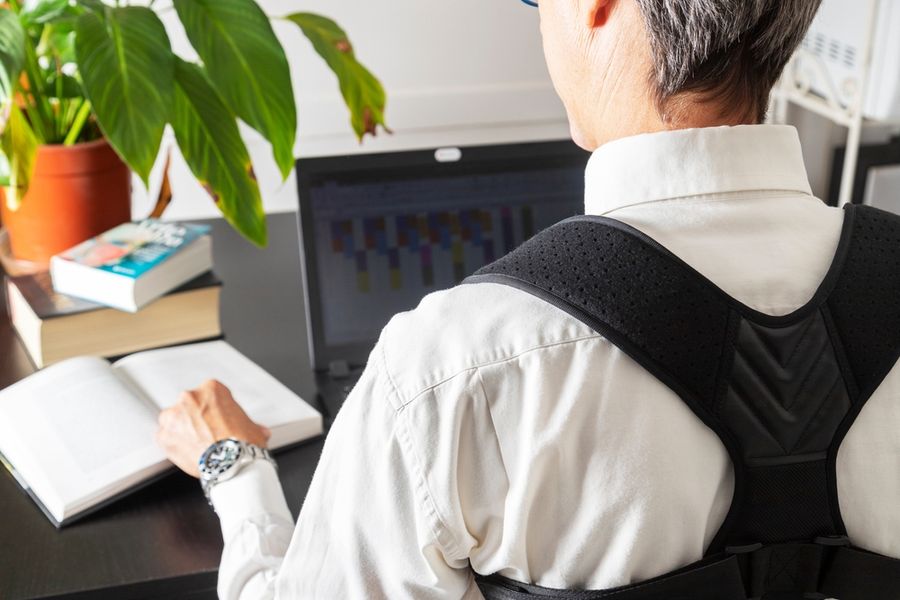
Posture corrector straps are lightweight tools that help train your upper body to stay aligned. They sit comfortably over the shoulders and upper back, applying gentle pressure that encourages you to pull your shoulders back rather than hunch forward.
Budget-friendly models like the Truweo Posture Corrector are designed for everyday wear without restricting movement. They work best when used for short sessions throughout the day, helping you build better habits gradually rather than forcing a rigid position.
These straps aren’t meant to do all the work for you—they simply guide your body toward healthier alignment. Used consistently and alongside regular movement, posture correctors can improve awareness and reduce the muscle fatigue that often leads to slouching.
3. Stability Balls for Better Core Engagement
A stability ball is a low-cost tool that encourages better posture by engaging your core muscles. Sitting on a stability ball during short work or study sessions requires balance, which naturally strengthens the muscles that help support your spine.
Beginners can start with basic activities such as gentle bouncing, seated marches, or simple stretches. Over time, the stability ball can also be used for core workouts, which further support a strong and healthy posture. Brands like URBNFit make durable, budget-friendly options in various sizes to match different heights and preferences.
Using a stability ball for a few minutes each day helps counteract the stiffness that comes from sitting in traditional chairs. It encourages active sitting and keeps your body moving gently, which reduces pressure on the lower back.
4. Foam Rollers for Releasing Tight Muscles
Tight muscles in the back, neck, and shoulders can pull your body out of alignment. Foam rollers are inexpensive tools that help release muscle tension and improve flexibility. By rolling slowly over tight areas, you increase circulation and help your muscles relax.
Foam rolling the upper back is especially helpful for posture. It opens the chest, reduces rounded shoulders, and eases the tension that often builds from sitting too long. Products like the Amazon Basics High-Density Foam Roller offer firm support that holds up well over time.
Regular foam rolling can improve your body’s ability to stay aligned during daily activities. When muscles are relaxed and flexible, it’s much easier to maintain good posture without straining.
5. Monitor Risers for Eye-Level Screen Alignment
One of the most common causes of poor posture is looking down at screens for long periods. A simple monitor riser or laptop stand lifts your screen to eye level, helping you avoid hunching or craning your neck.
Budget-friendly risers, such as those made by Simple Houseware, offer sturdy support for monitors and laptops while also adding storage space underneath. Keeping your screen at the right height reduces strain on your neck and shoulders and encourages a more upright sitting position.
This small change dramatically improves comfort during work or study sessions. When your screen is positioned correctly, the rest of your body tends to follow.
6. Resistance Bands for Strengthening Posture Muscles
Strength training is another essential part of improving posture, and resistance bands offer an inexpensive way to build the muscles that support your upper back and shoulders. Exercises like band pull-aparts, rows, and shoulder openers target the muscles responsible for keeping your posture tall and stable.
Brands like Fit Simplify offer band sets that are easy to store and simple to use. Because resistance bands come in different strengths, beginners can start light and gradually progress.
Stronger posture muscles help your body maintain alignment naturally, reducing the effort required to sit or stand correctly. Regular use can lead to lasting improvements in comfort and mobility.
Building Better Posture With Simple Tools
Good posture doesn’t depend on expensive equipment. With affordable tools like lumbar cushions, posture straps, stability balls, foam rollers, monitor risers, and resistance bands, you can strengthen your body and reduce everyday strain.
These small additions encourage healthier habits, improve comfort, and support long-term well-being. By making thoughtful adjustments and incorporating simple posture tools, you create an environment that helps your body feel balanced, relaxed, and supported throughout the day.