

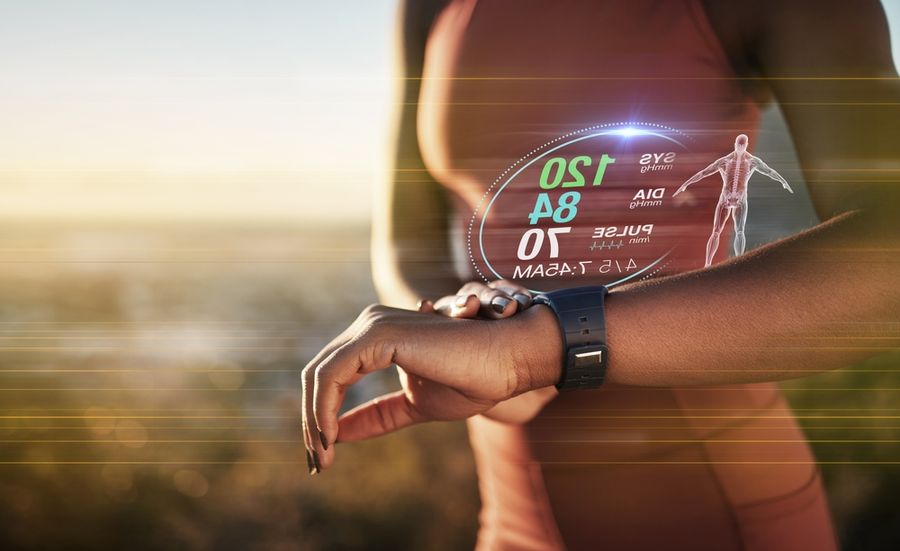
Improving your wellness doesn’t always mean buying expensive gadgets or complicated systems. Today, many budget-friendly tech tools can help you build healthier habits, stay motivated, and track your progress without overwhelming your routine. Simple devices and apps make it easier to pay attention to sleep, movement, hydration, and stress levels. For anyone trying to live a little healthier on a tight budget, the right affordable tech can be a practical way to stay organized and mindful each day.
1. Simple Fitness Trackers That Support Everyday Movement
Entry-level fitness trackers help you monitor steps, activity time, and heart-rate patterns without the cost of advanced smartwatches. They offer enough data for beginners to understand their daily habits and set realistic goals.
For example, the Xiaomi Mi Band series is known for being lightweight, beginner-friendly, and reliable for tracking steps and basic activity summaries. These types of bands often sync with no-fee apps that show daily graphs, weekly summaries, and motivational reminders.
Fitness trackers are especially helpful for people who want to improve their activity levels without making big changes. Even small insights—like knowing how often you sit or how many minutes you move—can make it easier to build healthier routines.
2. Hydration Apps and Smart Water Bottles for Better Water Intake
Staying hydrated is a simple wellness goal, but many people struggle to drink enough water throughout the day. Hydration apps and budget-friendly smart bottles can help by offering reminders and progress tracking.
The no-fee app Waterllama , for example, lets you log drinks with one tap and offers fun challenges that encourage daily consistency. For people who want a more hands-off option, basic smart bottles like the HidrateSpark TAP (the non-Bluetooth version) use glowing reminders to nudge you to take a sip.
These tools make hydration feel easier by giving regular cues and visual feedback. Over time, the small reminders add up to healthier habits without requiring a major lifestyle shift.
3. Affordable Sleep Trackers and Apps for Better Rest
Good sleep is a core part of wellness, and tracking it doesn’t require high-end devices. Many budget-friendly wearables and smartphone apps can help you understand your patterns and improve your nighttime routine.
The Sleep Cycle app, for instance, uses a phone’s microphone to detect movement and sound during rest. It offers insights into sleep quality, gentle wake-up alarms, and long-term trend tracking. For people who prefer wearable tech, basic trackers like the Amazfit Band 5 can provide sleep-stage estimates and daily summaries at a wallet-friendly cost.
These tools help you learn whether you’re getting enough rest and identify patterns, such as waking at the same time each night or feeling tired after certain days. With better awareness, it becomes easier to make small adjustments—like changing bedtime routines or reducing screen time—that support deeper sleep.
4. Budget-Friendly Smart Scales for Tracking Overall Progress
Smart scales give a more complete picture of your wellness journey by tracking metrics like weight, trends over time, and body composition estimates. While premium models exist, there are many low-cost versions that work well for beginners.
The Eufy Smart Scale C1 , for example, syncs with a companion app to track daily and weekly changes. It helps users see progress in a visual, encouraging way. Many budget-friendly smart scales also integrate with popular apps like Apple Health or Google Fit, which simplifies long-term tracking.
Smart scales don’t replace professional advice, but they do help people stay aware of their overall progress. For those starting new routines or building long-term habits, the data can provide motivation and clarity.
5. Meditation and Stress Apps That Offer Low-Cost Tools
Stress tracking and mindfulness support don’t have to come from premium subscriptions. Many budget-friendly apps include no-fee sessions, guided breathing tools, and daily check-ins that help users build emotional awareness.
The Insight Timer app is a strong example. It offers thousands of no-fee guided meditations, breathing exercises, and relaxation tracks. Users can also log mood patterns and set gentle reminders to take breaks throughout the day.
For people who prefer structured exercises, the Headspace app includes no-fee introductory sessions that teach basic mindfulness techniques. These short sessions are easy to fit into a busy schedule and help reduce stress over time.
6. Habit-Tracking Apps for Organizing Wellness Goals
Habit-tracking apps offer a simple way to stay consistent with fitness, nutrition, hydration, sleep, or mindfulness goals. They help users build streaks, set reminders, and visualize progress with clear charts.
The Streaks app, for example, allows users to track up to 12 daily habits and offers quick insights into their consistency. Another popular option, Grow, uses plant-themed progress visuals to encourage daily check-ins.
These apps keep wellness goals organized in one place. For beginners, the visual feedback is often enough to inspire steady improvement without needing expensive add-ons or devices.
Simple Tools That Support Real Wellness Progress
Budget-friendly tech makes it easier to focus on wellness without financial stress. Whether you choose an entry-level fitness tracker, a hydration reminder, a sleep app, a smart scale, or a mindfulness tool, each of these options offers helpful insights that support long-term habits.
By combining simple tech with daily routines, you can build a personalized wellness system that encourages movement, rest, hydration, and reflection. Small, consistent steps create real results—and the right budget-friendly tools help make those steps easier to follow every day.