

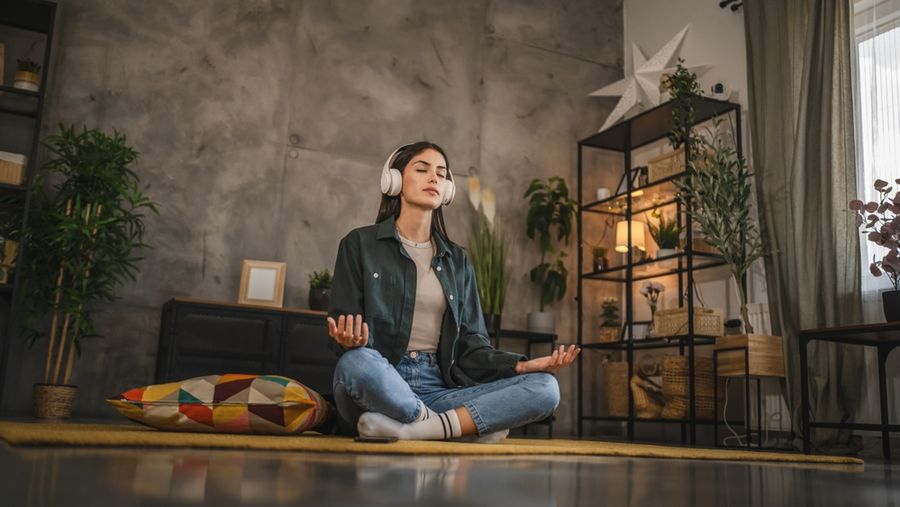
Starting a meditation routine doesn’t require expensive tools or complicated setups. In fact, many people find that simple, budget-friendly products help them ease into the habit and stay consistent over time. Meditation is most effective when it feels comfortable, calming, and easy to repeat, and the right accessories can make that process smoother. Whether you’re new to meditation or trying to refresh your routine, affordable items can help create a quiet space and support regular practice at home.
1. Meditation Cushions and Floor Pillows for Comfortable Sitting
Comfort plays a big role in whether meditation becomes a long-term habit. Sitting on the floor can cause discomfort in the back, hips, and knees, which makes it harder to stay still long enough for meaningful practice. A simple meditation cushion or floor pillow helps create a supportive base that encourages better posture.
Many cushions are designed to lift the hips slightly so the spine stays aligned without straining . Even a basic floor pillow can make a noticeable difference, especially for beginners who are still learning how to sit comfortably for a few minutes at a time.
Since meditation doesn’t require complex equipment, having one comfortable cushion can be enough to turn any room into a peaceful space.
2. Soft Blankets and Shawls for Warmth and Relaxation
Temperature is an often overlooked part of meditation. Feeling cold can be distracting, while feeling warm and cozy helps the body relax. A soft blanket or shawl is an affordable way to add warmth without adjusting the thermostat or buying special clothing.
Many people drape a blanket over their legs or shoulders during seated meditation. This added weight can create a sense of grounding, which supports relaxation and makes it easier to focus on breathing. For people who meditate in early mornings or in cooler rooms, this small accessory helps create a soothing environment.
Blankets and shawls are also flexible enough to use during other calming activities, like reading, journaling, or stretching.
3. Basic Timers and Meditation Apps That Support Routine
Consistency matters more than meditation length, and having a timer makes it easier to stick with a practice. A basic digital timer or the built-in timer on a phone works well. You simply set the duration and let the timer handle the rest so you don’t have to check the clock.
Many people also use simple meditation apps that offer guided sessions, breathing exercises, or calming background sounds. These apps often include no-fee versions that are perfect for beginners. Guided audio can help you learn different techniques, while timers with soft alarms create a gentle start and finish to each session.
Using a timer or app removes the pressure of tracking time and supports a predictable practice.
4. Essential Oil Diffusers for a Calming Atmosphere
A peaceful environment helps the mind settle, and scent is a powerful tool for creating that atmosphere. Essential oil diffusers are an inexpensive way to fill a room with calming aromas like lavender, chamomile, or eucalyptus.
Diffusers use water and a few drops of oil to create a light mist that spreads throughout the space. The sound of the diffuser running can also provide soft background noise, which helps mask distractions from other parts of the home.
Though essential oils aren’t required for meditation, many people find that scent cues help signal to the brain that it’s time to relax and focus. This makes it easier to transition into a meditative state, especially when developing a daily routine.
5. Simple Floor Mats for Clean and Dedicated Space
A clean surface helps create a sense of order, which makes meditation more inviting. A basic floor mat—similar to a yoga mat—gives you a designated spot to sit and helps you stay consistent with your practice.
Floor mats also create a barrier between your body and cold or hard floors. They’re easy to roll out and store away, making them ideal for small homes or apartments where a dedicated meditation room isn’t possible.
Having a defined space, even a small one, helps your mind shift more easily into relaxation mode. Over time, the mat becomes associated with calm and focus.
6. Journal Notebooks for Post-Meditation Reflection
Journaling can help deepen your meditation practice by encouraging self-reflection. A simple notebook is all you need to write down thoughts, goals, or any feelings that came up during your session. Specific journals can also address mental health goals.
Some people like to keep a journal to track progress, while others use it as a space to release tension before or after meditation. Writing can reinforce mindfulness by helping you slow down and notice patterns.
A notebook next to your meditation spot acts as a gentle reminder to pause, reflect, and stay connected to your personal growth.
A Calm Routine Built With Simple Tools
Starting a meditation routine doesn’t require a big investment. Affordable items—like cushions, blankets, timers, diffusers, mats, and notebooks—can help you build a calming environment that supports mindfulness and relaxation.
These simple products make the experience more comfortable and enjoyable, which encourages consistency over time. With just a few thoughtful additions, anyone can create a peaceful practice that fits easily into everyday life and supports emotional well-being at home.