

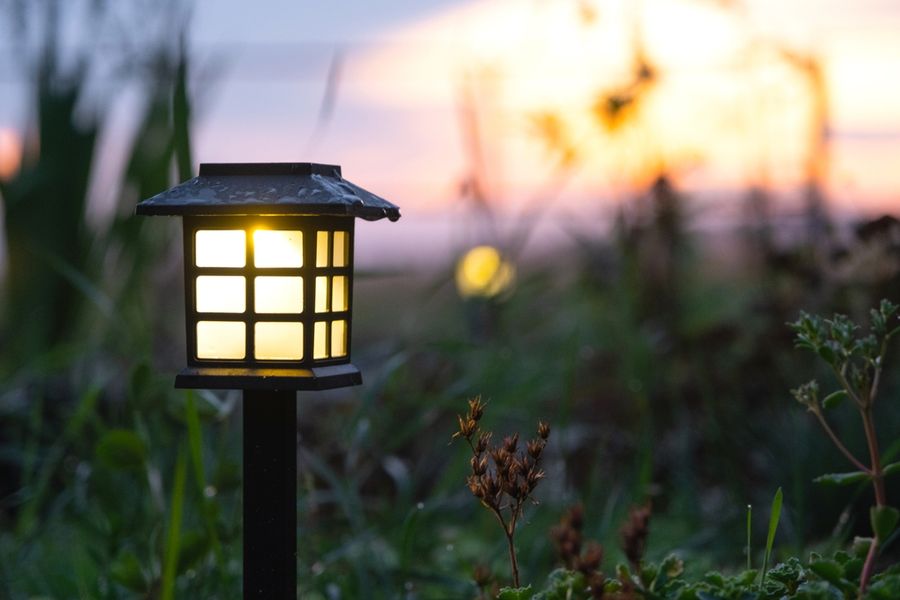
Outdoor solar lights are an easy way to brighten pathways, decorate yards, and add security to your home without increasing your electric bill. Because they charge during the day and turn on automatically at night, they offer a hands-off lighting solution that works well in many climates. But not all solar lights are built the same. Understanding panel types, battery performance, and where to find reliable products can help you choose lights that last longer and perform better year-round.
1. Different Solar Panel Types and What They Mean for Performance
Solar lights use small panels to absorb sunlight during the day and convert it into power. The type of panel affects how efficiently the light charges, especially in areas with partial shade or shorter winter days.
Monocrystalline Panels
These are the most efficient panel type commonly used in outdoor solar lights. Monocrystalline cells—found in higher-quality lights from brands like Sunforce —perform well even in low sunlight conditions. They convert more sunlight into energy, which helps lights run longer at night.
Polycrystalline Panels
Polycrystalline panels are slightly less efficient but still strong performers for everyday conditions. Many affordable pathway lights and decorative garden stakes use this panel type. They work best in yards that receive several hours of direct sunlight.
Thin-Film Panels
Thin-film solar panels are lightweight and flexible but generally less efficient. Because they generate less energy, they are more suitable for accent lighting rather than bright pathway or security lighting. Thin-film lights may struggle on cloudy days or in shaded areas.
When choosing solar lights, consider how much sunlight your yard receives each day. Better panels result in more reliable performance—especially if you live in an area with variable weather.
2. Understanding Battery Types and Why They Affect Longevity
While solar panels power the system, the battery determines how long a light can run after the sun goes down. Most outdoor solar lights use one of two rechargeable battery types .
Ni-MH (Nickel-Metal Hydride)
Ni-MH batteries are commonly found in budget-friendly solar lights. They perform well in warm climates but may have reduced capacity in colder weather. They typically last one to two years with proper care. Many homeowners appreciate that these batteries are easy to replace.
Li-ion and LiFePO₄ Batteries
Higher-end solar lights often use lithium-ion batteries or the longer-lasting LiFePO₄ type. These batteries hold more charge, withstand more cycles, and perform better in a wider range of temperatures. Brands like Ring commonly use lithium-powered designs in their brighter outdoor models.
Battery life depends on:
- Daily sunlight exposure
- Seasonal temperature changes
- Brightness settings
- Age of the battery
Lights placed in full sun will always outperform those in shaded areas. If you want your lights to stay bright for long hours, choose models with larger battery capacity and efficient panels.
3. Key Features That Improve Reliability and Everyday Use
Modern solar lights include features that enhance durability, convenience, and performance. When comparing brands and models, look for the following options.
Weather Resistance
Outdoor lights should have a solid IP (Ingress Protection) rating. For example, IP65 or IP67 ratings indicate the light is resistant to rain and dust. This is important for lights placed in exposed areas, such as driveways or patios.
Motion Sensors
Solar security lights often include motion sensors that increase brightness when someone approaches. Brands like Ring and Aootek use motion detection to conserve battery power while still providing strong illumination when needed.
Warm vs. Cool Light Options
Some homeowners prefer warm white tones for decorative areas and cool white tones for pathways. Many modern solar brands offer selectable color temperatures, giving you control over the mood of your outdoor space.
Sturdy Construction Materials
Metal stakes, reinforced housings, and tempered plastic help lights withstand wind, rain, and daily wear. Cheaper plastic stakes are more likely to break, especially in colder states.
Choosing lights with these durability features helps ensure your investment lasts more than a single season.
4. Where to Find Reliable Solar Lights Without Overspending
Quality varies widely across the solar lighting category, so it’s helpful to know which retailers and brands consistently deliver reliable options.
Home Improvement Stores
Retailers like Home Depot and Lowe’s carry trusted brands such as Sunforce, Hampton Bay, and Ring. These stores often provide detailed product specs and offer return policies if performance doesn’t meet expectations.
Online Retailers
Amazon offers a wide variety of solar lights, including top-reviewed sets from URPOWER, Aootek, and Greluna. Many shoppers appreciate the customer reviews and photo uploads, which can reveal real-world performance.
Brand Stores
Some companies sell directly through their websites. For example, Ring and Sunforce offer direct sales and warranty information that can help buyers feel confident in their purchase.
Garden Centers and Warehouse Clubs
Stores like Costco and Sam’s Club often carry seasonal multipacks that perform well and offer durable construction.
Regardless of where you shop, always read reviews, check battery type, and confirm the IP rating before buying.
A Reliable Way to Light Your Outdoor Spaces
Outdoor solar lights can be a practical and attractive upgrade when chosen carefully. By understanding panel types, battery performance, and essential features, you can select lights that last through changing seasons and provide dependable illumination each night.
Whether you need pathway lights, decorative accents, or motion-activated security lighting, the right solar lights help brighten your home without raising your energy bill—or your stress level.