

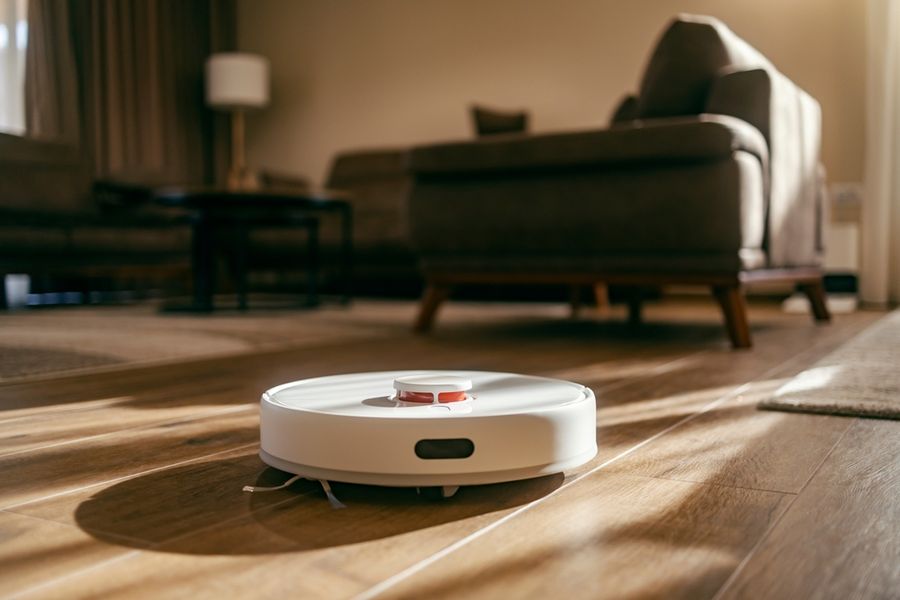
Robot vacuums have moved from novelty gadgets to useful household tools for many families. They promise hands-free cleaning, scheduled routines, and the ability to tackle everyday dust without effort. But do they actually deliver on the expectations? With so many models and features available, understanding what works—and what doesn’t—can help you decide whether a robot vacuum is worth adding to your home. Understand how they perform, what features matter most, and how to save when shopping for one.
1. How Robot Vacuums Work and What They Handle Well
Robot vacuums use a combination of brushes, suction power, and onboard sensors to navigate your home and remove dirt from floors. Popular brands like iRobot Roomba and Shark IQ offer models with varying strengths and cleaning styles.
Where robot vacuums excel:
- Daily maintenance: They keep floors tidy by handling routine dust, crumbs, and pet hair.
- Hard floors and low-pile carpets: Most models perform well on these surfaces.
- Scheduled cleanings: You can set them to run when you're at work or asleep.
- Hands-free operation: Just empty the dustbin and keep the sensors clean.
Robot vacuums shine as a supplement—not a full replacement—for deep cleaning. They help maintain overall cleanliness, reducing how often you need to pull out a traditional vacuum. For busy households, this ongoing maintenance can be a major time-saver.
2. The Features That Actually Make a Difference
Robot vacuums vary widely in features, but only a few make a meaningful difference in everyday use.
Navigation Systems
Basic models use bump sensors to move around randomly, which can work for small rooms but may miss spots. Higher-end models—like the Roomba i-Series or Shark IQ—use mapping technology to cover every area more efficiently.
Mapping systems help the vacuum:
- Navigate in straight lines instead of random patterns
- Avoid repeated passes
- Clean larger homes more predictably
Smart App Controls
Apps allow you to start, stop, schedule cleanings, and check the vacuum’s progress. This is especially useful when you aren’t home. Some apps even let you create “no-go zones” or select specific rooms.
Self-Emptying Bases
Some models, such as the Roomba i3+ and Shark IQ Self-Empty, include docking stations that empty the vacuum’s dustbin automatically. While optional, this feature reduces maintenance significantly.
Height and Design
Slim models, like the Eufy RoboVac 11S, fit under furniture better than bulkier vacuums. Height matters if you have low couches, beds, or cabinets.
Pet-Friendly Brush Rolls
Families with pets benefit from tangle-resistant brush designs or rubber rollers, which reduce hair buildup and make cleaning easier.
Choosing the right features ensures your vacuum fits your lifestyle instead of becoming a hassle.
3. Common Limitations to Consider Before Buying
Robot vacuums are helpful, but they aren’t perfect. Understanding their limitations helps set realistic expectations.
They Don’t Replace Deep Cleaning
Robot vacuums handle surface debris well but lack the power and precision of full-size vacuums. You’ll still need occasional deep cleans, especially on carpets.
They Require a Clutter-Free Path
Cords, socks, and small toys can stop a robot vacuum in its tracks. Some families do a quick “pre-clean sweep” before running the robot.
Battery Life Varies
Larger homes may need models with strong batteries or auto-recharge capabilities that allow the vacuum to resume cleaning after charging.
Noise Levels Differ
Some models are quiet enough for nighttime use, while others are louder. Reviews can help you choose a model that fits your noise preference.
Maintenance Is Still Needed
You’ll need to empty dustbins, clean filters, and remove hair from brushes—though some features help reduce this workload.
Knowing these limitations helps you choose a vacuum that fits your expectations rather than disappoints.
4. Smart Ways to Save When Purchasing a Robot Vacuum
Robot vacuums range widely in cost, but there are several strategies to help you save without sacrificing performance.
Look for Previous-Generation Models
Brands often release new versions yearly, and previous generations—still highly capable—drop in price.
Buy During Seasonal Sales
Major retailers typically discount robot vacuums during:
- Black Friday
- Cyber Monday
- Spring and summer home events
- Back-to-school sales
Planning your purchase can lead to significant savings.
Choose Brands With Affordable Replacement Parts
Filters, brushes, and rollers need replacing over time. Choosing a vacuum with low-cost, widely available parts reduces long-term ownership costs.
Consider Refurbished Models
Certified refurbished vacuums from official brand stores often come with warranties and cost significantly less than new models. iRobot, Shark, and Eufy all sell refurbished units directly.
Skip Premium Features You Don’t Need
If you have a small home or simple layout, you may not need advanced mapping, self-empty bases, or voice control. Focus on the features that add real value to your lifestyle.
A Helpful Tool—When Matched to the Right Home
Robot vacuums can deliver impressive convenience for busy households, pet owners, or anyone looking to simplify daily cleaning. While they aren’t a total replacement for traditional vacuums, they excel at maintaining clean floors with minimal effort.
By understanding how they work, evaluating which features matter most, and shopping strategically, you can find a robot vacuum that fits your needs and your budget. When chosen wisely, they deliver exactly what they promise: cleaner floors and more free time.