

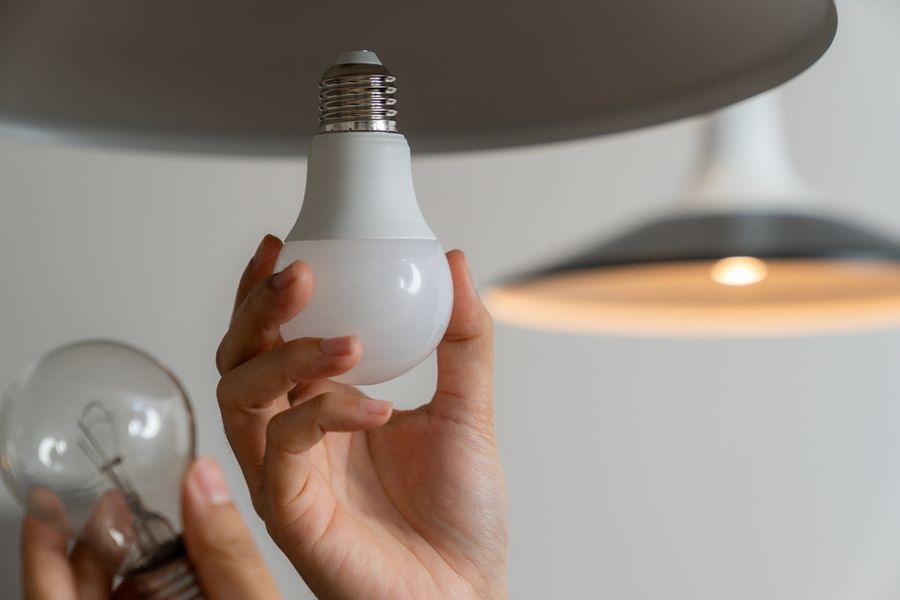
LED bulbs have become the standard choice for homeowners looking to save energy, improve lighting quality, and reduce how often bulbs need replacing. But with so many options on store shelves—and a huge range of prices—it can be difficult to know which bulbs offer real value. Understanding color temperature, realistic lifespan expectations, and how brands package their products can help you buy smarter. With the right knowledge, you can avoid overpriced packs and pick bulbs that fit your home’s lighting needs.
1. Understanding Color Temperature and How It Affects Your Home
Color temperature is one of the most important factors when buying LED bulbs. It determines how warm or cool the light appears and can dramatically affect the atmosphere of a room. LED bulbs are labeled with a Kelvin (K) rating, which helps you choose the right tone.
Common color temperatures include:
- 2700K – 3000K (Warm White): Soft, cozy light ideal for bedrooms, living rooms, and dining areas. Brands like Philips and GE often label these as “Soft White.”
- 3500K – 4000K (Neutral White): Balanced light that works well in kitchens, bathrooms, and home offices.
- 5000K – 6500K (Daylight): Bright, cool light best for garages, craft rooms, and task-oriented spaces.
Warm tones feel more relaxing, while cooler tones promote focus and clarity. Before buying a pack of LEDs, think about where the bulbs will be used. A room may feel too harsh or too dim if the color temperature is mismatched.
Some manufacturers, such as Cree and Feit Electric (which are now one and the same ) offer adjustable color temperature bulbs. These allow you to switch between warm and cool tones using a toggle or app, giving you flexibility without buying multiple bulb types.
2. What Lifespan Claims Really Mean—and What to Expect
Many LED bulb packages advertise long lifespans, often ranging from 10,000 to 25,000 hours or more. While LEDs generally last much longer than traditional incandescent bulbs, actual lifespan depends on how and where the bulbs are used.
When you see lifespan estimates:
- They assume ideal conditions with steady airflow and limited heat exposure.
- They do not account for frequent power surges or on-off cycling.
- They refer to “lumen maintenance,” meaning the bulb still works but may be dimmer after years of use.
Reliable brands like Philips, GE, and Sylvania tend to provide more accurate longevity claims because they conduct extensive testing. Lesser-known brands may list high numbers that don’t always match real-world performance.
If a bulb fails sooner than expected, it may be due to:
- Enclosed fixtures that trap heat
- Dimmer switches not compatible with LED technology
- High humidity or temperature in certain rooms
- Fluctuations in household electrical systems
Look for ENERGY STAR–certified LEDs, which must meet strict standards for performance and reliability. These bulbs often come with manufacturer warranties, which can be helpful if early failure occurs.
3. Choosing the Right Brightness and Ensuring Compatibility
Brightness is measured in lumens, not watts. Many shoppers still associate brightness with wattage, but LED technology uses far less energy to produce the same amount of light.
General brightness guidelines:
- 800 lumens = similar to a 60-watt incandescent
- 1100 lumens = similar to a 75-watt incandescent
- 1600 lumens = similar to a 100-watt incandescent
Different rooms benefit from different brightness levels. Living rooms usually need softer lighting, while kitchens and workspaces require more lumens for visibility.
Compatibility also matters:
- Dimmable fixtures: Choose bulbs specifically labeled “dimmable.” Not all LEDs respond well to dimmer switches.
- Enclosed fixtures: Look for bulbs marked “enclosed fixture rated.” Using the wrong bulb can reduce lifespan.
- Smart home systems: Brands like Philips Hue, LIFX, and Sengled offer smart bulbs that pair with voice assistants and automation tools.
Paying attention to these details ensures the bulb performs as expected—and lasts longer.
4. Avoiding Overpriced Packs and Finding Real Value
LED bulb packs vary widely in cost, but higher prices don’t always mean better performance. Many budget-friendly brands offer excellent quality, and large retail stores frequently discount multipacks.
Here’s how to avoid overpaying:
- Compare cost per bulb: Bulk packs from brands like Great Value (Walmart) or Amazon Basics often offer strong performance at lower cost.
- Check the warranty: Some premium packs cost more because they include multi-year warranties. If reliability is a priority, this may justify a slightly higher price.
- Skip specialty shapes unless necessary: Decorative bulbs or uncommon base types often cost more. Only purchase specialty bulbs if your fixture truly requires them.
- Watch for seasonal sales: Home improvement stores frequently discount LED multipacks during spring, fall, and holiday sales.
- Look for ENERGY STAR certification: These bulbs must meet performance standards, which helps prevent buying low-quality products packaged at high prices.
Finally, avoid packs with vague descriptions or inflated performance claims. Stick with reputable brands or well-reviewed alternatives to ensure you’re getting real value for your money.
Smart Choices Make LED Buying Simple
LED bulbs can improve your home’s lighting, reduce energy use, and last significantly longer than older bulb types. By understanding color temperature, reviewing lifespan claims, choosing the right brightness, and comparing packs carefully, you can buy LEDs confidently and avoid overpaying.
With smart planning and a little product knowledge, you can light your home effectively and affordably—without falling for unnecessary features or inflated claims.