

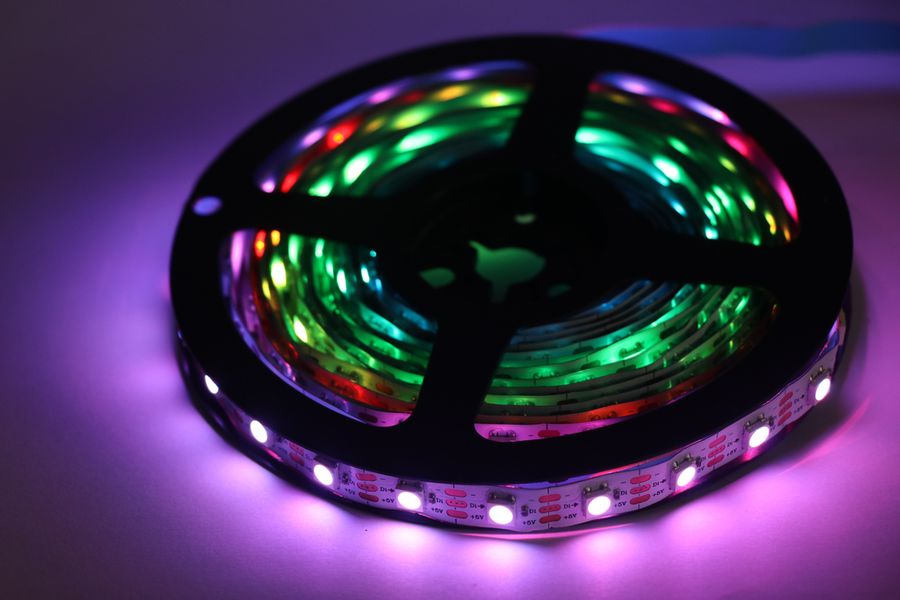
Smart light strips have become a popular way to personalize rooms, highlight features, and add flexible lighting to spaces that traditional bulbs can’t reach. They offer color-changing effects, app control, scheduling, and smart-home integration—but with so many brands and features available, it’s fair to ask whether they’re truly worth the investment. By understanding how long they last, how well they work with different systems, and how to shop wisely, you can decide if smart light strips fit your home and your budget.
1. Lifespan: What to Expect From Smart Light Strips
Smart light strips are typically LED-based, which means they tend to offer long lifespans when compared with older lighting technologies. Many well-known brands—such as Philips Hue, Govee, and LIFX —advertise lifespans ranging from 20,000 to 25,000 hours for their strips. While these numbers can vary, they do offer a general sense of what you can expect.
Real-world lifespan depends on several factors:
- Usage time: Light strips used all day will fade faster than ones used only during evenings.
- Heat exposure: LEDs last longer in cooler environments. Installing strips near electronics or heat sources may shorten their lifespan.
- Power quality: Sturdy power supplies and stable wiring help support consistent performance over time.
- Brightness level: Running strips at full brightness constantly may reduce longevity compared to moderate use.
Even if a strip doesn’t “burn out,” you may eventually notice gradual color fading or uneven brightness after years of use. Higher-end brands tend to maintain consistency longer, while budget brands may show wear sooner. Understanding these lifespan variables helps you choose a strip that provides value long after installation.
2. Compatibility: Making Sure Your Light Strips Match Your Smart Home
Compatibility is one of the biggest factors in whether smart light strips feel worth the investment. Not all strips work with every smart-home ecosystem, so choosing one that integrates well with your current setup helps avoid frustration.
Here’s a breakdown of common compatibility categories:
Voice Assistant Support
Most major brands support popular voice assistants :
- Alexa: Supported by Philips Hue, Govee, Sengled, Nanoleaf, LIFX
- Google Assistant: Supported by nearly all major brands
- Apple HomeKit: More limited—Philips Hue, Nanoleaf, and LIFX offer strong support
If you’re an Apple user, choosing a HomeKit-compatible light strip ensures smoother control and automation options.
Smart Hubs vs. Hub-Free Models
Some light strips—like those from Philips Hue—require a hub for full features. Others connect directly to Wi-Fi or Bluetooth with no hub required.
Hub-required pros:
- More stable connections
- Better automation options
- Higher reliability for large setups
Hub-free pros:
- Lower upfront cost
- Simple installation
- Good for smaller homes or single-room use
Both options can work well, depending on your needs. If your goal is a seamless, whole-house lighting system, hub-based models may offer more consistent performance. For casual, decorative use, direct-connect strips are often enough.
App Quality
App experience matters. Brands like Govee and Philips Hue offer polished, reliable apps with customizable scenes and scheduling. Lower-cost brands may have clunky interfaces that make adjustments frustrating. Checking reviews can save time and prevent a disappointing setup.
3. Key Features That Make Smart Light Strips Worth Considering
While smart light strips are often purchased for aesthetics, they offer practical benefits as well. The right feature set can make them much more useful than simple decoration.
Color Customization and Scenes
Light strips allow you to shift the mood instantly—from warm white for reading to vibrant colors for gatherings. Many apps offer preset scenes like “Sunrise,” “Movie Night,” or “Focus.”
Scheduling and Automation
Strips can turn on automatically in the evening, dim before bedtime, or sync with your morning routine. These features make lighting feel effortless and personalized.
Music Sync and Dynamic Modes
Brands like Govee offer music-syncing capabilities that respond to sound. These modes are fun for entertainment spaces or kids’ rooms.
Cutting and Expanding
Some strips can be cut to size or extended with add-on pieces. Flexible installation allows them to fit under cabinets, behind TVs, along ceilings, or around shelves.
When paired with your daily habits, these features turn smart strips from a novelty into a genuinely useful lighting tool.
4. How to Shop Smarter and Avoid Overpaying
Smart light strips vary widely in price, but paying more doesn’t always guarantee better performance. Here are a few ways to save without sacrificing quality:
Compare Length and Lumen Output
Some packs appear cheaper but include shorter strips or dimmer LEDs. Check product details carefully to ensure you’re comparing equivalent specs.
Look for Seasonal Sales
Brands frequently discount smart lighting during:
- Prime Day
- Black Friday and Cyber Monday
- Back-to-school and home event sales
Planning your purchase can significantly reduce costs.
Consider Refurbished or Open-Box Models
Many retailers sell certified refurbished smart light products from trusted brands at lower prices. These often include warranties, making them a safe savings strategy.
Avoid Paying for Features You Won’t Use
If you’re not interested in music syncing or advanced automation, you may not need a high-end model. Simpler strips still offer bright, customizable lighting at a fraction of the cost.
Check Replacement and Expansion Options
Make sure the brand offers replacement power supplies, connectors, or extension pieces. This ensures your setup can grow or be repaired without buying a whole new kit.
Worth It—If You Choose Wisely
Smart light strips can be a fun and functional addition to your home, offering flexible lighting, easy customization, and integration with your daily routines. Their value depends on lifespan, compatibility with your smart-home ecosystem, and whether you choose features that match your habits. By shopping carefully—comparing specs, choosing trusted brands, and avoiding unnecessary extras—you can enjoy the benefits of smart lighting without overspending.