

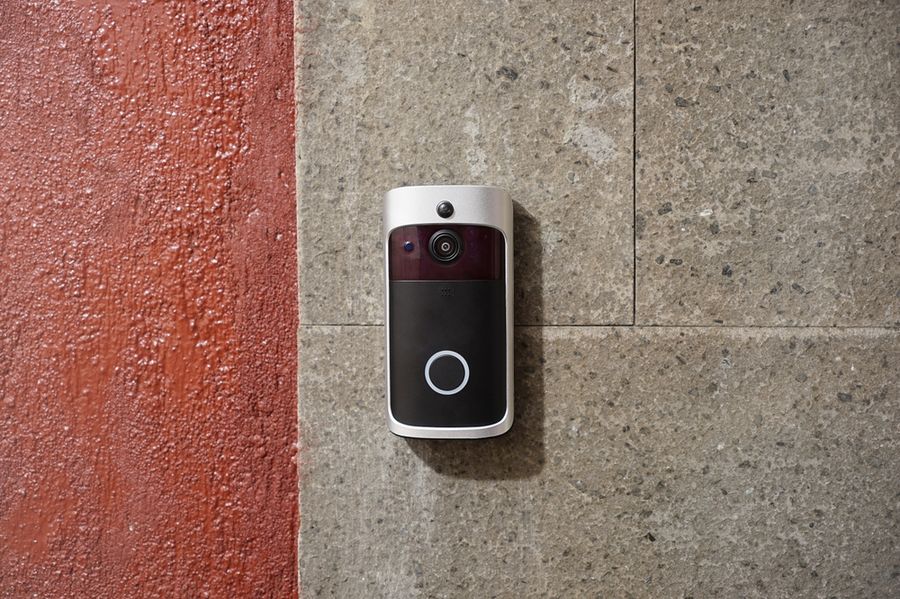
Smart doorbells have become a familiar sight on front porches, offering a new layer of convenience and security for homeowners. They allow you to see who’s at the door, monitor activity, and communicate remotely—all from your phone. But with so many models and features available, it’s natural to wonder whether a smart doorbell is truly worth the investment. By understanding what modern devices offer, you can decide whether one fits your home and budget.
1. Key Features That Make Smart Doorbells Appealing
Smart doorbells differ from traditional models because they connect to your home Wi-Fi network and provide real-time video and alerts. Brands like Ring and Google Nest Doorbell have made these devices widely accessible, each offering slightly different strengths.
Common features include:
- Motion detection: The doorbell alerts you when someone approaches, even if they don’t ring.
- Two-way audio: You can speak to visitors through your phone, which is especially helpful for package deliveries.
- High-definition video: Clear footage helps identify people, animals, or unexpected activity.
- Night vision: Infrared or low-light sensors allow the device to capture video after dark.
- Cloud or local storage: Depending on the model, you can save recordings for review later.
These tools help homeowners feel more connected to their property, even when they aren't home. Whether checking on kids arriving after school or monitoring deliveries, the added visibility provides peace of mind.
2. Understanding Longevity and Maintenance Needs
Like other smart-home devices, smart doorbells are designed to last several years, but their lifespan depends on various factors: weather exposure, battery type, and Wi-Fi stability. Most major brands use weather-resistant housing to handle rain, heat, and cold, making them suitable for many U.S. climates.
Battery-powered doorbells typically last a few months on a charge, depending on how often motion is detected. Frequent activity—especially in busy neighborhoods—may require more charging or a hardwired setup to avoid interruptions.
Wired doorbells usually last longer because they draw constant power and rely less on batteries. They also tend to support more advanced features, such as continuous video recording.
Maintenance mostly involves:
- Keeping the lens clean
- Ensuring Wi-Fi connectivity is stable
- Updating firmware through the app
- Charging or replacing batteries if needed
With basic care, many smart doorbells can function reliably for years. Some homeowners upgrade only when new features become available, not because the device stops working.
3. Privacy and Security: What You Should Know Before Buying
Smart doorbells provide security, but they also raise questions about privacy and data protection. When choosing a device, it helps to understand how companies manage video footage and account access.
Reputable brands like Ring and Nest use encrypted connections and allow you to manage device permissions. They also offer options to set motion zones, which reduce unnecessary recordings and limit video capture to certain areas.
To improve security:
- Use strong, unique passwords for your account and Wi-Fi network
- Enable two-factor authentication
- Regularly update your device’s software
- Review your privacy settings within the app
It’s also worth noting that many smart doorbells require a subscription for extended cloud storage or advanced features like person detection. While subscriptions aren’t required for basic functionality, understanding these ongoing costs can help you decide which model fits your budget and preferences.
4. Smarter Buying Options That Help You Save
Smart doorbells vary widely in price, but you don’t have to overspend to get useful features. Shopping wisely can help you find a device that fits your needs without paying for features you won’t use.
Consider these tips:
- Look for refurbished models from official retailers, which often include warranties.
- Compare battery vs. wired versions: Wired models may cost slightly more upfront but eliminate the need for replacement batteries.
- Watch for seasonal sales—major brands frequently offer discounts during holidays or retail events.
- Check compatibility with your current smart-home ecosystem to avoid buying additional hubs or accessories.
- Review long-term costs, including replacement parts and optional subscriptions.
Smaller brands may offer lower-cost alternatives, but be sure to research customer support availability and app reliability before choosing them. A well-supported device usually lasts longer and performs more consistently.
5. When a Smart Doorbell Is Truly Worth It
A smart doorbell is worth the investment if you value:
- Extra visibility when you're not home
- Convenience in handling deliveries
- Monitoring activity around your entryway
- Peace of mind when traveling
- Integration with smart-home routines
However, if your primary goal is simply hearing the doorbell ring, a standard model may be enough. Smart doorbells shine most when you actively use their video and alert features.
A Useful Upgrade When Chosen Wisely
Smart doorbells offer convenience, security, and added awareness for many homeowners. By understanding their features, maintenance needs, privacy considerations, and cost-saving opportunities, you can determine whether they’re a practical addition to your home.
With the right model, a smart doorbell can provide years of reliable service, helping you stay informed, reduce worry, and enjoy a safer, more connected front door experience.