

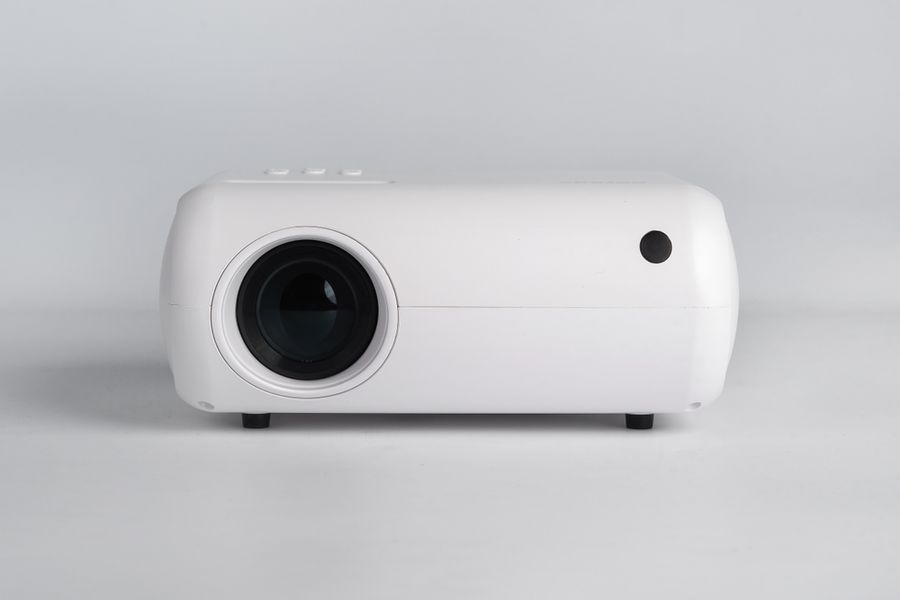
Compact projectors have become a popular choice for people looking to bring big-screen viewing into small spaces—without the cost or wall space required by a traditional TV. They promise flexibility: watch movies on a wall, enjoy outdoor movie nights, or switch rooms easily. But with many models and features out there, it’s important to know what matters most before buying. Understanding lumen ratings, port options, and practical features helps determine if a compact projector is a wise investment for your lifestyle.
1. Why Lumen Rating Matters—And How Bright Is Bright Enough
Lumen rating measures how much light a projector produces, and in compact models, it’s one of the most important specs. A projector with low lumens may look fine in a dark room, but struggle when there’s ambient light. Models like the Anker Nebula Capsule II or ViewSonic M1 Mini offer modest brightness—suitable for bedrooms or late-night movie sessions.
For spaces with more ambient light—like living rooms or outdoor movie nights—you want a higher lumen rating. Projectors such as the Epson EF-100 or BenQ GS2 perform noticeably better under those conditions, creating brighter, clearer images.
If you plan to use the projector often during daylight or with lights on, a model with stronger brightness is worth prioritizing. On the other hand, if you mostly watch in a dark environment, a lower-lumen compact projector can still deliver a satisfying experience.
2. Port Options and Connectivity: HDMI, USB, and Wireless Play
Beyond brightness, how a projector connects to media sources significantly affects its utility. Good compact projectors include multiple port options for flexibility.
HDMI Input
An HDMI port ensures compatibility with laptops, gaming consoles, streaming sticks, and HDMI-based devices. If you plan to stream or connect multiple devices, make sure the projector—like the BenQ GS2 or ViewSonic M2—supports HDMI.
USB Ports and Media Playback
USB ports allow you to plug in a thumb drive with videos or photos. Some compact projectors support direct playback from USB storage, which can be convenient for travel or outdoor use.
Wireless Streaming and Screen Mirroring
Models like the Anker Nebula, Epson EF-100, or XGIMI MoGo 2 Pro offer built-in Wi-Fi and Bluetooth, letting you stream content directly from apps or mirror your phone’s screen. This feature simplifies setup and reduces cable clutter, making it ideal for casual viewing.
When selecting a projector, consider how you prefer to watch: via wired connection for reliability, or wireless streaming for convenience. Ensuring the ports match your devices makes setup effortless.
3. Practical Features That Elevate Everyday Use
Compact projectors offer a range of features beyond basic display. The following extras can make a big difference in everyday use and overall satisfaction.
Built-In Speakers and Audio Options
Many compact projectors include built-in speakers, useful when you don’t want to carry separate audio gear. For example, the ViewSonic M1 Mini has built-in speakers suitable for small rooms. However, if you prioritize richer sound, selecting a model with a headphone jack or Bluetooth audio support gives you flexibility for external speakers.
Portability and Battery Operation
Portability is a major appeal of compact projectors. Devices like the Anker Nebula Capsule II or XGIMI MoGo Pro are lightweight and include rechargeable batteries, allowing you to set up a movie night indoors or outdoors without cords. This mobility makes them ideal for apartments, dorms, or frequent relocation.
Keystone Correction and Adjustable Focus
Wall surfaces and projector positioning vary, especially in smaller rooms. Keystone correction helps align fuzzy or skewed images, while manual or auto-focus ensures clear visuals. Projectors like the BenQ GS2 include these adjustments, which improve flexibility and make set-up easier.
Durability and Fan Noise
Since compact projectors often run in smaller spaces, fan noise and build quality matter. Choosing a model with quiet cooling—like Epson or ViewSonic—makes long viewing sessions more enjoyable. Check product reviews for noise levels and durability feedback before buying.
4. Who Should Consider a Compact Projector—and Who Should Be Cautious
Compact projectors work especially well for:
- Small apartments or rooms where a large TV isn’t practical
- Families who want a flexible entertainment setup—e.g. movie nights outdoors or occasional big-screen viewing
- People who like portability: college students, renters, or frequent movers
- Game nights or streaming sessions without major A/V setup
However, they might be less ideal if you expect:
- Bright-room viewing during the day frequently
- Cinematic-level audio without external speakers
- Permanent wall-mounted installations
- High-end gaming or frequent fast-paced movies (input lag and refresh rate may matter)
For long-term, heavy-duty viewing or if you want a major upgrade for your main entertainment area, a traditional TV or large fixed projector may still provide better performance.
Smart Choices Determine Real Value
Compact projectors can deliver impressive flexibility and convenience when selected based on your needs and living situation. By paying attention to lumen rating, connectivity options, practical features like portability and sound support, and understanding their strengths and limitations, you can make a purchase that adds value rather than disappointment.
For casual movie nights, small spaces, or a portable entertainment setup, a well-chosen compact projector can be a solid, affordable addition to your home.