

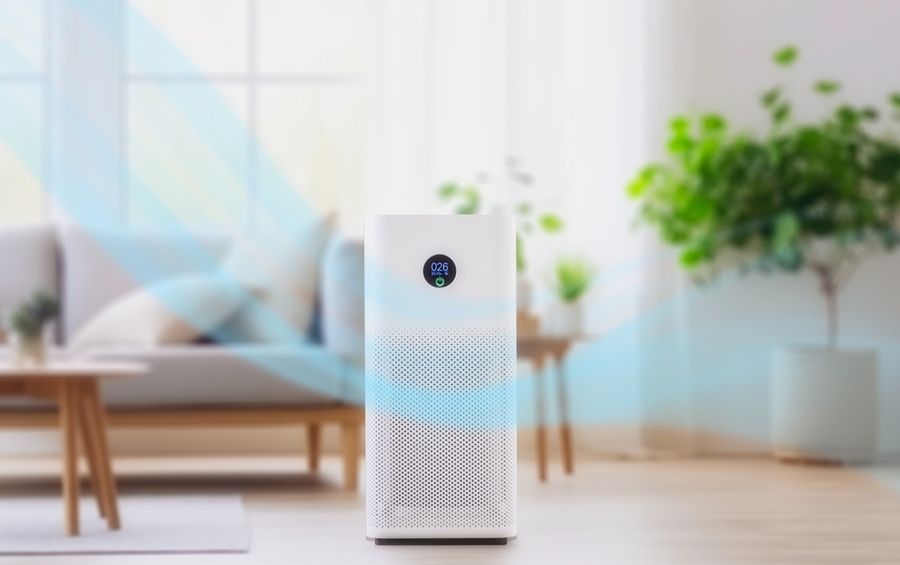
Air purifiers have become common in many U.S. households, especially as people spend more time indoors and want cleaner, healthier air. But with so many models and filter types available, choosing the right one can feel confusing. Understanding how different purifiers work—and knowing which features are truly useful—can help you avoid overspending. Whether you’re shopping for allergies, pet dander, smoke, or general air quality improvement, the right purifier can make a noticeable difference without stretching your budget.
1. HEPA Purifiers: The Most Reliable Option for Everyday Use
HEPA (High-Efficiency Particulate Air) purifiers are some of the most trusted devices for filtering small particles such as pollen, dust, pet dander, and mold spores. They work by using dense, layered filters that trap particles as air passes through. When a purifier is labeled “True HEPA,” it meets a recognized standard for particle capture, making it a strong choice for most homes.
These purifiers are effective because they focus on what matters most for indoor air: removing fine contaminants that often trigger allergies or irritation. Brands like Levoit, Honeywell, and Winix are well-known for offering dependable HEPA-based systems.
When choosing a HEPA purifier, pay attention to its room-size rating and filter replacement schedule. A unit that is too small for your room won’t clean the air efficiently, while one that is properly sized will keep air quality consistent with minimal effort. HEPA purifiers remain the best all-around choice for most families because they balance performance, reliability, and cost of maintenance.
2. Activated Carbon Purifiers: Best for Odors and Smoke
While HEPA filters remove small particles, they do not eliminate gases or odors. This is where activated carbon purifiers excel. These filters use porous carbon material to absorb odors, smoke, and certain chemicals from the air.
Activated carbon purifiers are especially useful if you:
- Have pets
- Cook frequently
- Live near traffic or smoke-prone areas
- Want to reduce household odors
Many purifiers combine HEPA and activated carbon in one device, offering both particle filtration and odor control. For example, units from Blueair and Winix often include multi-stage filtration systems where carbon filters complement HEPA layers.
To save money, look for purifiers that use reusable or washable pre-filters. These catch larger particles before they reach the carbon layer, extending the life of your main filter and reducing replacement costs over time.
3. UV-C and Ionizer Features: When They Matter and When They Don’t
Some air purifiers include extra features like UV-C light or ionizers, which promise to neutralize germs or help particles settle more quickly. These additions sound appealing, but they vary widely in effectiveness and may not be necessary for most households.
UV-C purifiers use ultraviolet light to target bacteria and viruses . While UV-C technology can be effective in controlled environments, consumer-grade UV-C purifiers often have limited impact due to short exposure times and low-intensity bulbs. They can be a helpful supplement but should not be the main reason to choose a purifier.
Ionizers release charged ions that attach to particles, causing them to clump together. Some devices use this technology to help particles fall out of the air or attach to filters more easily. However, ionization alone doesn’t replace filtration, and some older models produced small amounts of ozone. Modern units from reputable brands follow safety guidelines, but buyers should still check certifications and reviews before purchasing.
When shopping, focus on HEPA and carbon performance first. Extra features may offer added benefits but should not drive the majority of your decision—or your budget.
4. Understanding CADR Ratings and Room Size Helps You Choose Wisely
The Clean Air Delivery Rate (CADR) is one of the clearest indicators of a purifier’s power. CADR measures how quickly the device can clean air of dust, pollen, and smoke. The higher the number, the faster and more efficiently the purifier works.
Checking CADR helps you avoid buying a purifier that is too weak for your space. For example:
- Living rooms may require higher CADR ratings.
- Bedrooms or offices may need only moderate ratings.
- Extra-large spaces often require purifiers with multiple fans or dual filters.
Many brands list their recommended room size, but CADR gives a more accurate picture of real performance. Comparing these numbers—rather than relying on marketing descriptions—can help you get better value for your money.
Buying a purifier sized correctly for your room also reduces energy use and prevents overworked filters, helping you save on both electricity and maintenance.
5. Smart Shopping Tips: How to Save When Buying a Purifier
Air purifiers don’t have to be expensive, and there are several ways to save without sacrificing performance:
- Choose models with washable pre-filters, which reduce long-term replacement costs.
- Check for certified refurbished options from trusted retailers or manufacturers.
- Look for seasonal sales, especially during fall allergy season or around major holidays.
- Compare filter replacement costs before buying—filters can vary widely in price and lifespan.
- Focus on essential features, avoiding extras that don’t match your needs.
Subscribing to filter reminders through a brand’s app—or setting your own—can help you maintain efficiency without buying extra filters unnecessarily.
Cleaner Air Without Overspending
Choosing the right air purifier starts with understanding how different filter types work and which features matter most. HEPA filters handle everyday particles, carbon filters target odors, and room-size ratings ensure proper performance.
With a little research and smart shopping, you can find a purifier that fits your home and your budget. Cleaner air doesn’t have to be costly—just well planned.