

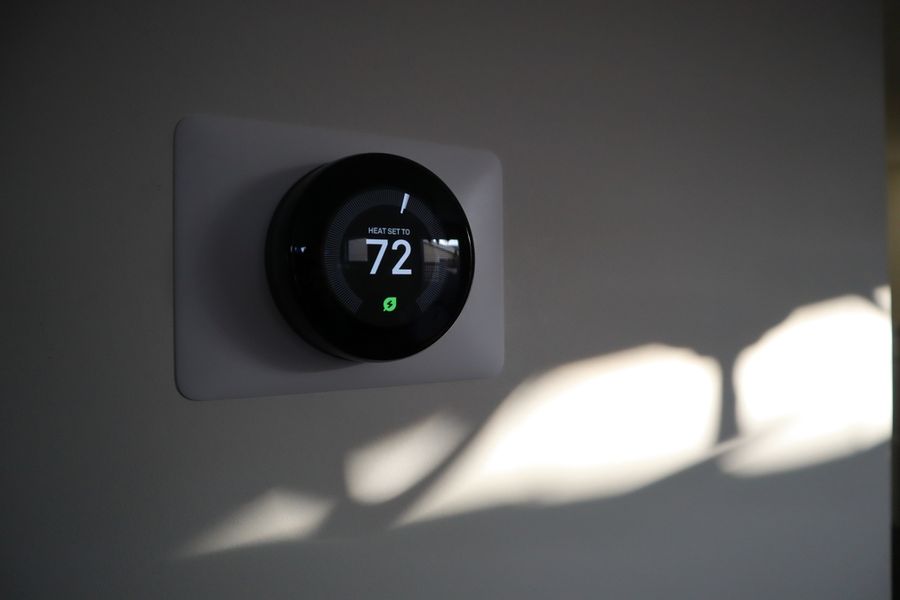
Managing monthly home expenses can feel overwhelming, especially when heating and cooling costs shift from season to season. A smart home thermostat offers a simple way to bring more predictability to those bills. With features that learn your routines, adjust temperatures automatically, and give you real-time feedback, modern devices help you understand how your energy use changes throughout the day. For families looking to budget more effectively, a smart thermostat makes it easier to keep costs under control.
1. Automatic Scheduling Helps Reduce Unnecessary Energy Use
One of the biggest benefits of a smart thermostat is its ability to create schedules that match your daily routine. Instead of manually adjusting the temperature each time you leave or come home, the thermostat handles it for you.
Devices like the Google Nest Thermostat or ecobee Smart Thermostat let you set customized heating and cooling schedules. For example, you can warm the house before waking up, turn down the temperature while everyone is at school or work, and bring it back to a comfortable level in the evening.
This automation prevents the system from running when no one needs it. Over time, these small adjustments help reduce energy use, which makes monthly heating and cooling bills easier to predict and manage.
2. Energy Reports Show Where Your Money Is Going
Smart thermostats often come with built-in energy reporting tools. These reports break down how long your system runs each day and how weather, habits, or settings affect your energy use.
For example, Nest provides “Energy History” updates that show which days required more heating or cooling and why. Ecobee offers similar insights through daily and monthly usage charts. These visuals help homeowners understand patterns, such as how keeping the temperature one degree higher or lower impacts consumption.
Having this information makes budgeting simpler. Instead of guessing why a bill increased, you can pinpoint changes and make adjustments that better align with your financial goals.
3. Remote Temperature Control Helps Avoid Surprises
Life is busy, and it’s easy to forget to adjust the thermostat before leaving home. Smart thermostats solve this problem by allowing you to change settings from your phone.
Whether you're running late, away on vacation, or simply resting on the couch, a few taps in an app let you lower or raise the temperature instantly. This prevents wasted energy and keeps monthly bills more consistent.
Remote control is also helpful for families with varying schedules. If kids arrive home earlier than expected, you can adjust the temperature to ensure the house is comfortable without running the system all day.
This flexibility keeps usage predictable, which makes monthly expense planning smoother.
4. Learning Features Adapt to Your Lifestyle Automatically
Many smart thermostats don’t just follow schedules—they learn from them. After observing your temperature adjustments and daily routines, the thermostat can begin making small changes on its own.
For example, learning thermostats may notice that you consistently lower the temperature before bedtime. Over time, they begin adjusting automatically, removing the need to update the schedule manually.
These learning features are especially helpful when your routine changes throughout the year. As seasons shift or work schedules evolve, the thermostat adapts with you. The system’s ability to optimize itself keeps energy use steady and controlled, making bills less likely to fluctuate unexpectedly.
5. Smart Sensors Improve Temperature Control Throughout the Home
Some homes have rooms that get warmer or cooler than others, which often leads to adjusting the thermostat more often than necessary. Smart thermostats with room sensors help solve this by measuring temperature in multiple areas.
Ecobee, for example, uses small remote sensors to balance heating and cooling more evenly across the home. This prevents situations where one room feels too hot or cold, prompting unnecessary temperature changes that increase energy use.
By making heating and cooling more efficient, smart sensors help stabilize your monthly bills. They also increase comfort, reducing the need for portable heaters or fans that add to energy consumption.
6. Alerts Help You Catch Problems Before They Become Costly
Smart thermostats can send notifications when something unusual happens—such as a rapid temperature drop, a system that runs longer than normal, or a filter that needs replacing.
These alerts help homeowners catch issues early, preventing expensive repairs or spikes in energy use. For people managing tight budgets, this early warning system adds an extra layer of stability. It reduces the likelihood of costly surprises and helps keep monthly bills predictable.
A Small Upgrade That Brings Big Peace of Mind
Installing a smart thermostat may seem like a small upgrade, but the benefits are meaningful for families trying to manage their monthly expenses. Automation, energy reports, remote control, adaptive learning, and system alerts all work together to create a more efficient home.
When heating and cooling habits become easier to understand and control, monthly bills become easier to plan for. With the help of a smart thermostat, budgeting feels less stressful and the home stays comfortable year-round.