

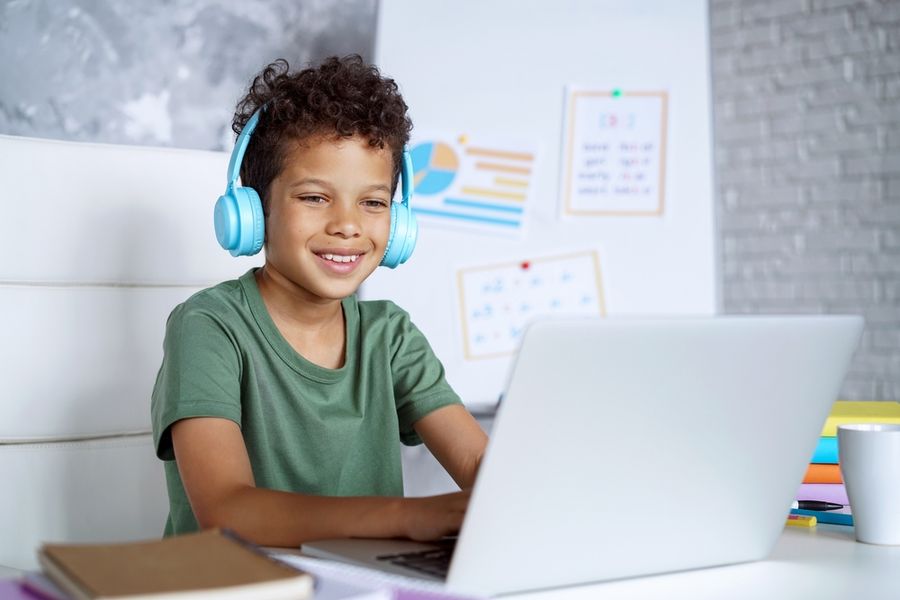
Learning at home has become an important part of family life, whether kids are completing homework, attending online sessions, or exploring new subjects on their own. The right tools can make a big difference, but it doesn’t mean parents need to spend a lot of money. Many tech accessories are simple, reliable, and designed to make learning easier without adding stress. From organization tools to basic digital helpers, key items help create a smoother experience for students of all ages.
1. Headphones That Help Kids Focus Without Distractions
A good pair of headphones can make home learning much more effective. They help reduce noise, which is helpful for kids who struggle with distractions during online lessons or homework time. Over-ear models tend to provide better comfort for longer sessions, while smaller children may prefer lightweight on-ear or adjustable options.
Volume-limiting headphones can also help protect young ears, keeping sound levels within a safe range. Many families appreciate models that include simple controls so kids can manage audio without help. With fewer interruptions, students have an easier time following lessons, watching educational videos, and staying focused on assignments.
2. External Keyboards and Mice for More Comfortable Typing
Typing on tablets or small laptop keyboards can be tiring for children, especially during longer homework sessions. An external keyboard gives them more space and better ergonomics, making writing assignments and emails easier. Wireless models keep desks uncluttered, while foldable options are great for small study spaces.
Pairing a Bluetooth keyboard with a tablet can turn it into a workstation that feels closer to a full computer. Adding an external mouse also makes navigation smoother, especially for younger students who find trackpads difficult to use. These basic accessories help children work more comfortably, which often leads to better focus and better results.
3. Simple Tablet or Laptop Stands for Better Posture
Slouching over screens is a common issue when learning at home. A tablet or laptop stand lifts the screen to a more comfortable angle, helping kids maintain better posture . This can reduce strain on the neck and shoulders during long study periods.
Some stands are adjustable, allowing families to change the height or tilt depending on the activity. Students can use a higher angle for watching instructional videos, then switch to a lower setting for typing or drawing. When the screen is positioned well, children stay more comfortable and are less likely to lose focus due to physical discomfort.
4. USB Hubs and Charging Stations That Keep Devices Powered
Between laptops, tablets, and small accessories, families often run out of ports and outlets. A USB hub helps solve this problem by giving students more ways to connect devices like flash drives, keyboards, and headphones.
Charging stations also help keep everything in one place. Instead of scrambling to find a cable, kids can plug in their devices as part of their routine. Many families place a small charging area in a shared space so everyone knows where their devices belong. When tools stay charged and ready, schoolwork goes more smoothly and doesn’t get delayed by technical issues.
5. Basic Ring Lights and Webcam Covers for Online Classes
Video calls are still part of many school routines. A small ring light makes it easier for students to appear clearly on camera, especially in rooms with poor lighting. Being able to see the screen and be seen by teachers helps communication feel more natural.
Webcam covers are another helpful accessory. They offer an added layer of privacy by allowing kids to close the camera when not in use. These simple items build confidence in online learning and create a safer, more comfortable environment for kids who may feel shy during video sessions.
6. Portable Whiteboards and Smart Notepads for Quick Practice
Not all tech accessories are digital. A small dry-erase board near the study area is great for solving math problems, practicing spelling, or writing quick reminders. Kids can work through ideas without opening multiple apps and can erase mistakes easily.
Smart notepads, which allow handwritten notes to be saved digitally, are another useful option. They give students a familiar writing experience while providing the ability to store and organize notes on a device. For kids who learn best by writing things down, these tools offer the best of both worlds.
7. Noise Machines and Simple Timers for Better Study Routines
Home learning often happens in shared spaces where interruptions are hard to avoid. A basic noise machine can help reduce distractions by providing steady background sound. This makes it easier for students to stay focused even when the house is active.
Timers are equally helpful. Children can set them to break study sessions into smaller, manageable segments. This helps build structure, encourages good habits, and prevents burnout. Simple routine tools can support learning just as much as digital accessories when used consistently.
Building a Supportive Learning Space With Simple Tools
Creating a supportive learning space doesn’t require expensive equipment. Affordable accessories like headphones, stands, keyboards, and simple organizational tools can make learning at home more comfortable and less stressful for both students and parents.
By picking items that encourage focus, reduce clutter, and create good routines, families can build a study environment that works all year long. When the tools are easy to use and set up, learning at home becomes smoother and more enjoyable for everyone.